
Association for the promotion of affective wellbeing and sexual health
LoveLife APS is an association born out of the interest and passion of a group of psychologists, psychotherapists, anthropologists and youth workers specialized in the field of affective wellbeing and sexual health. The association creates psychoeducational pathways for young people with intellectual disability and atypical development, their educators and their families (caregivers), with the aim of increasing the quality of their lives, supporting their right to love themselves, love and be loved, to pleasure and autonomy, following the guidelines of international health organizations. LoveLife locates in Perugia but is up to travel wherever needed.
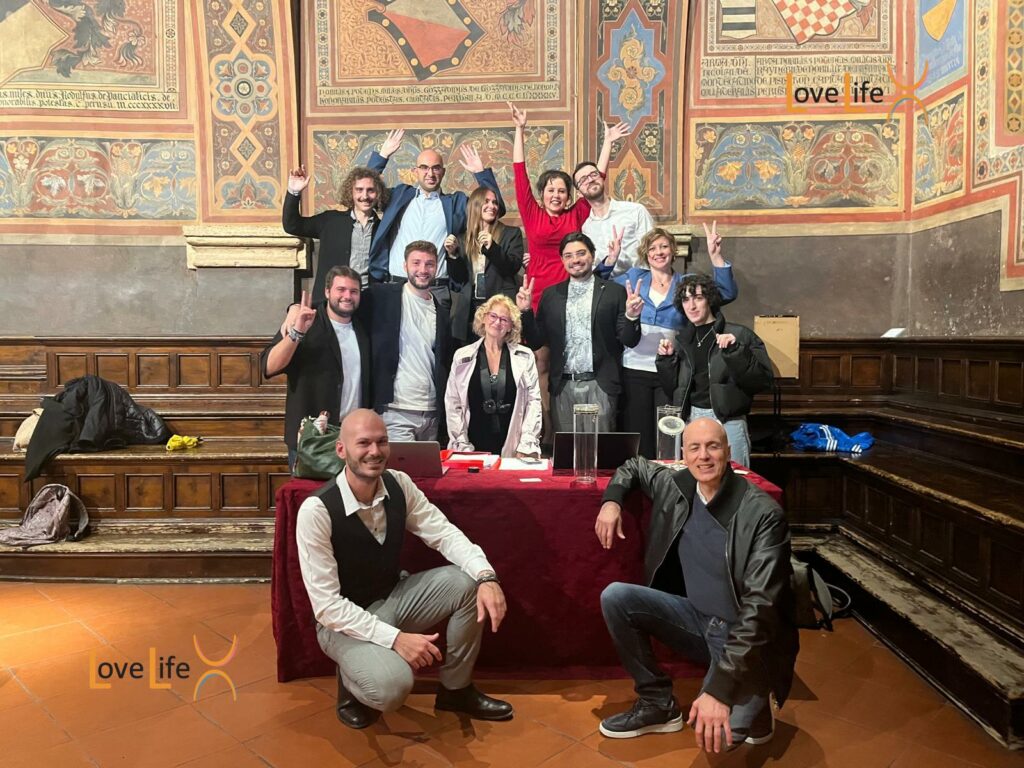
Squadra felice – Festival della Psicologia – Perugia, 2024
Cosa intendiamo per educazione all’affettività e alla sessualità? Perché coltivarla nell’ambito della disabilità? Innanzitutto sfatiamo alcuni falsi miti. Spesso si pensa che gli interventi di educazione affettiva e sessuale portino i partecipanti a sviluppare atteggiamenti sessuali e affettivi impropri, andando a istillare desideri innaturali nell’utenza, spingendo le persone a fare ciò che altrimenti non farebbero o, come spesso si sente dire, di slatentizzare la libido. LoveLife non fa questo. E non è nemmeno un gruppo di assistenti sessuali che praticano sesso con utentə, o che innescano comportamenti inadeguati nel prossimo.
Tutti gli interventi di LoveLife mirano ad aumentare la qualità della vita delle persone, specialmente con disabilità intellettiva e sviluppo atipico, e deə loro caregiver, credendo che, quando una persona riesce a relazionarsi con competenze, consapevolezza e correttezza ai propri bisogni, riuscirà a soddisfarli, aumentando la propria soddisfazione e il proprio benessere, di conseguenza anche quelli di chi la circonda.
Tutt’altro che slatentizzare una pulsione, LoveLife guida a comportamenti adattativi (socialmente accettabili e rispettosi della dignità della persona) perché i desideri di autorealizzazione e i bisogni inespressi e non riconosciuti non abbiano ad esitare in comportamenti problematici, quali esplosioni di rabbia, distrazione e bassa capacità di concentrazione, ansia e depressione ma che invece portino alla soddisfazione di sé e della propria relazione con l’altrə.
L’amore e il sesso sono aspetti fortemente determinanti e altamente complessi per la vita di chiunque, ma in alcune condizioni, come la disabilità, è ancora più difficile gestire gli impulsi, accettare un no e così via, per cui serve un supporto adeguato. Tutte le persone, anche quelle con disabilità, ambiscono al piacere, al piacere di stare con gli altrə, al piacere di essere accettatə, coccolatə, abbracciatə e provano il desiderio sessuale. Noi facciamo in modo che ciò diventi più possibile, più facile.
Spesso, non indirizzare questi bisogni e questi interessi porta a comportamenti maladattivi e disfunzionali, come l’esibizione di genitali in luoghi pubblici, la pretesa di continui abbracci anche da sconosciuti, etc. Le conseguenze di tali atteggiamenti possono portare ad alti livelli di frustrazione, isolamento, rabbia, autoesclusione o autoimposizione.
Ciò danneggia non solo la vita della persona con disabilità che si trova nella situazione, ma anche di tutta la sua comunità familiare e relazionale. Scoprire come fare ad aver a che fare con questa normalità, la normalità del desiderare lo stare con l’altro, di amare e sentirsi amatə, non è altro che la realizzazione del diritto alla felicità.
LoveLife agisce secondo il rispetto e le indicazioni sul benessere e sulla salute sessuale della Convenzione sui diritti delle persone con disabilità (CDPD) delle Nazioni Unite (2006); facendo proprie anche le strategie promosse dall’Organizzazione Mondiale della Sanità (2006, 2010, 2015) e le Linee guida tecniche di UNESCO sull’educazione sessuale (2009, 2018). Inoltre, i principali modelli di riferimento che abbiamo sono la Dichiarazione dei diritti sessuali dell’Organizzazione Mondiale della Salute Sessuale (WAS 2008) e gli Standard per l’educazione sessuale in Europa dell’Ufficio Regionale per l’Europa dell’OMS (OMS e BZgA 2014) aquisiti dal Ministero della Salute (2020).
Se conoscete qualche persona con un figliə, fratello, sorella o cuginə con disabilità intellettiva e sviluppo atipico (sindrome di Down, autismo, etc.) saprete quanto è difficile per questə ragazzə gestire l’affettività, magari vorrebbero abbracciare tutti e non riescono a tollerare che qualcuno glie lo neghi, o forse si arrabbiano incredibilmente se qualcuno li sfiora.
Alcunə si spogliano in pubblico o si strusciano sulle altre persone, perchè non conoscono modi congrui per rispondere alle proprie pulsioni sessuali. Talvolta si innamorano di persone che poi abusano di loro, sfruttando quella fragilità che rende loro difficile creare e sostenere i confini con il prossimo. Faticano ad avere rapporti di amicizia con ə coetaneə, vorrebbero amicə non interessatə a loro o dopo alcune frustrazioni non vogliono più frequentare qualcunə.
Come tutte le altre persone, anche loro hanno il diritto di amarsi, amare ed essere amatə, così come di provare piacere, di stare bene da solə e con altrə.
Ecco, noi di LoveLife ci occupiamo di progetti individuali e di gruppo per supportare le famiglie a creare una relazionalità efficace, sana e soddisfacente per e con ə loro figliə.
Siamo, infatti, un gruppo multidisciplinare di giovanə e adultə, professionistə della psicologia, dell’antropologia e dell’educazione, espertə di apprendimento esperienziale e di risoluzione creativa dei problemi in ambito affettivo e sessuale.
Se conoscete qualcunə che potrebbe averne bisogno, condividete con loro il nostro contatto.
Grazie di cuore.
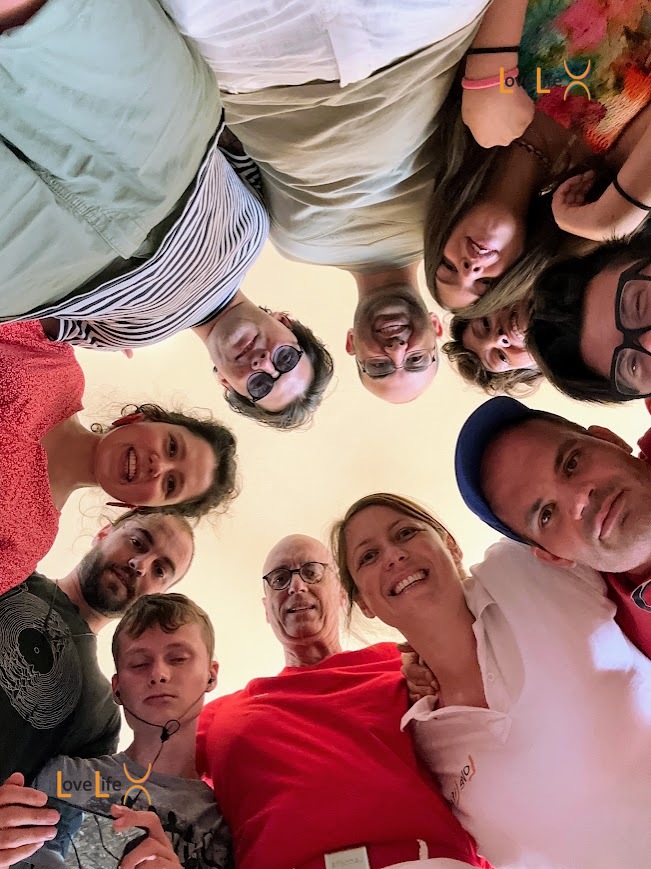
Abbraccio di gruppo – Loving Summer Camp – Pinarella, 2023
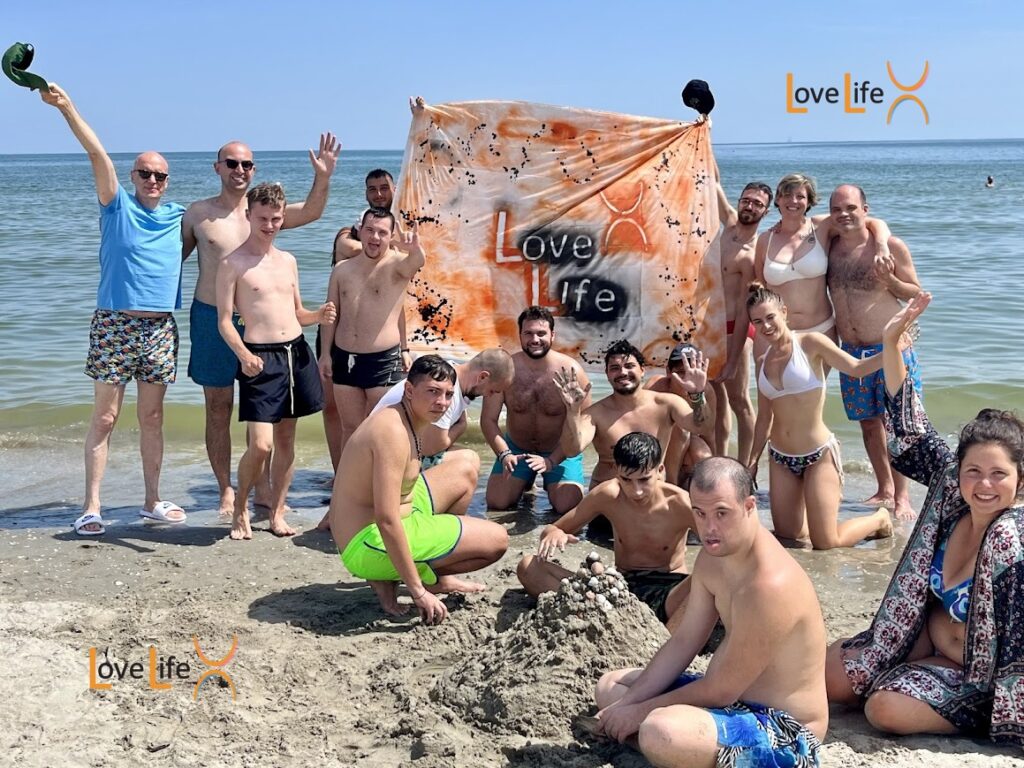
Celebrazione della nuova bandiera – Loving Summer Camp – Cervia, 2024